
Choosing the right life insurance policy is an important part of financial planning. People want to protect their families, manage future expenses, and provide financial security for their loved ones. However, with different insurance options available, selecting the right policy can sometimes be confusing.
Whole life insurance is a type of permanent life insurance designed to provide lifelong coverage, provided the policy remains active and its contractual requirements are met. Unlike term life insurance, which covers a specific number of years, whole life insurance generally remains in force throughout the insured person’s lifetime.
It also includes a cash value component that can accumulate over time. However, whole life insurance usually costs more than term life insurance.
So, who should consider buying whole life insurance? In this guide, we will explore the types of people who may benefit from permanent coverage, its advantages, costs, and important considerations before purchasing a policy.
1. People Who Want Lifetime Financial Protection
Whole life insurance may be suitable for individuals who want financial protection that does not expire after 10, 20, or 30 years.
Unlike term insurance, which provides coverage for a fixed period, whole life insurance is generally designed to remain active for the insured person’s entire lifetime, as long as the policy requirements are met.
This can be useful for people who want to leave a financial benefit to their beneficiaries regardless of when they pass away.
For example, someone who wants to provide financial support to their spouse, children, or other dependants may consider whole life insurance as part of a long-term financial plan.
However, it is important to ensure that the premiums remain affordable throughout the policy’s lifetime.
2. Parents Who Want Long-Term Financial Security for Their Children
Parents often purchase life insurance to protect their children against financial difficulties if something unexpected happens.
Whole life insurance may be worth considering for parents who want permanent coverage and a long-term death benefit.
The payout can help beneficiaries manage expenses such as education, household costs, outstanding debts, and other financial responsibilities.
Some parents also purchase whole life insurance policies for their children. These policies may provide lifelong coverage and build cash value over time, depending on the contract.
However, parents should compare the cost of whole life insurance with other financial protection options before making a decision.
3. People Interested in Cash Value Accumulation
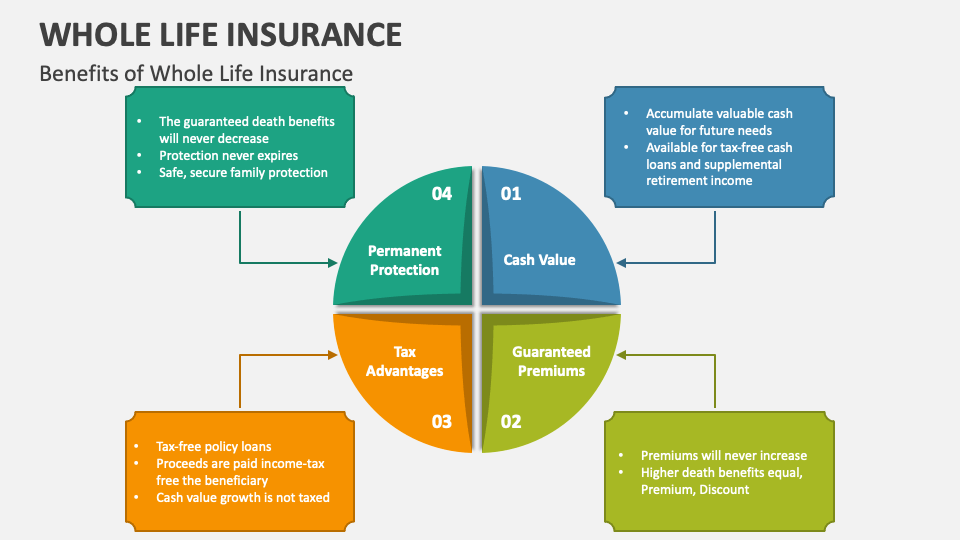
One important feature of whole life insurance is its cash value component.
A portion of the premiums contributes to cash value after accounting for insurance costs and policy expenses. Over time, this value may grow according to the policy’s guaranteed provisions and, where applicable, dividends.
Policyholders may be able to access eligible cash value through loans or withdrawals.
For example, someone may use a policy loan to cover unexpected expenses or other financial needs. However, unpaid loans and withdrawals can reduce the policy’s benefits and may have tax consequences.
If you are comparing insurance costs before choosing a policy, use our Life Insurance Premium Calculator to explore estimated premiums and understand how different coverage amounts may affect your budget.
Remember that cash value growth depends on the policy terms, and it should not be confused with guaranteed investment returns.
4. High-Income Individuals With Long-Term Financial Goals
People with higher incomes and established financial plans may consider whole life insurance as one component of their broader financial strategy.
Some individuals want permanent insurance coverage while also maintaining a policy that builds cash value over time.
Whole life insurance may also be considered for specific estate planning or wealth transfer goals, depending on the applicable laws and financial circumstances.
However, purchasing whole life insurance should not interfere with important financial priorities such as emergency savings, retirement contributions, and managing high-interest debt.
It is important to compare policy costs, benefits, and alternatives before committing to long-term premium payments.
5. People Who Want Predictable Premium Payments
Traditional whole life insurance policies generally offer fixed premium schedules.
This means the required premium is usually established when the policy is issued and does not increase simply because the insured person gets older, provided the contract remains in force and premiums are paid as required.
This predictability can make financial planning easier for people who prefer consistent long-term insurance payments.
For example, someone who purchases a whole life policy at age 35 may continue paying the same scheduled premium throughout the payment period specified in the contract.
However, policyholders should review the premium schedule and understand whether payments are required throughout life or only for a limited number of years.
6. Business Owners Who Need Long-Term Protection
Business owners may consider whole life insurance when planning for business continuity and long-term financial responsibilities.
For example, a business may have financial obligations involving partners, family members, employees, or outstanding business loans.
In certain situations, life insurance can support a business succession plan or fund a buy-sell agreement between business partners.
Whole life insurance may be considered when permanent coverage is needed for these arrangements.
However, the appropriate policy structure depends on business ownership, tax rules, and legal requirements. Business owners should consult qualified financial and legal professionals before purchasing coverage for business purposes.
7. People Who Want to Leave a Financial Legacy
Some individuals want to leave money to their family members, charities, or other beneficiaries after their death.
Whole life insurance can help support this goal because it is designed to provide a death benefit whenever the insured person passes away, assuming the policy remains active.
For example, a policyholder may name their children or another eligible beneficiary to receive the death benefit.
This can provide financial support for future expenses and help beneficiaries manage certain financial responsibilities.
People considering this approach should review beneficiary arrangements, ownership rules, and applicable estate and tax regulations.
8. Who May Not Need Whole Life Insurance?
Whole life insurance is not suitable for everyone. Although it offers permanent coverage and cash value accumulation, its higher premiums may not fit every financial situation.
Term life insurance may be more suitable for people who:
- Need affordable protection for a specific period.
- Have limited monthly insurance budgets.
- Want coverage while paying off a mortgage.
- Need financial protection until their children become independent.
- Prefer keeping insurance and savings separate.
For example, a young parent who needs substantial financial protection for the next 20 years may find term life insurance more affordable than whole life insurance.
Before selecting a policy, consider your financial goals and compare the available options.
9. Factors to Consider Before Buying Whole Life Insurance
Before purchasing whole life insurance, review several important factors to make sure the policy fits your long-term financial plans.
Premium Affordability: Make sure you can comfortably manage the required payments without affecting essential expenses.
Coverage Amount: Select a death benefit that reflects your family’s financial needs and future responsibilities.
Cash Value Growth: Review guaranteed cash value schedules and distinguish them from non-guaranteed dividend projections.
Policy Conditions: Understand exclusions, surrender charges, loans, withdrawals, and other contractual conditions.
Insurance Provider: Research the insurer’s financial strength, reputation, customer service, and claims process.
You can use our Life Insurance Premium Calculator to explore estimated premium costs and compare different coverage amounts before requesting an official quote.
10. How Much Whole Life Insurance Coverage Do You Need?
The right coverage amount depends on your financial responsibilities, family requirements, and long-term goals.
Start by calculating how much financial support your beneficiaries may need. Consider outstanding debts, household expenses, education costs, funeral expenses, and other financial obligations.
You should also consider existing savings, investments, and other insurance policies.
For example, someone with significant financial responsibilities may require a larger death benefit than someone with fewer dependants and sufficient existing savings.
Avoid selecting a policy based only on the lowest premium. Your coverage should provide meaningful financial protection while remaining affordable.
Conclusion
Whole life insurance may be suitable for people who want permanent financial protection, predictable premiums, and the opportunity to build cash value over time.
Parents, high-income individuals, business owners, and people interested in long-term estate planning may consider it as part of their broader financial strategy.
However, whole life insurance is not the best choice for everyone. Its premiums are generally higher than term life insurance, so it is important to evaluate your financial situation before purchasing a policy.
Compare coverage options, understand the policy conditions, and make sure the premiums fit your budget. Start by using our Life Insurance Premium Calculator to explore estimated costs and make a more informed insurance decision.


