
Introduction
Whole life insurance is a type of permanent life insurance that provides lifelong financial protection and includes a cash value component. Unlike term life insurance, which covers a specific period, whole life insurance is designed to remain active throughout the insured person’s lifetime, provided the required premiums are paid and the policy remains in force.
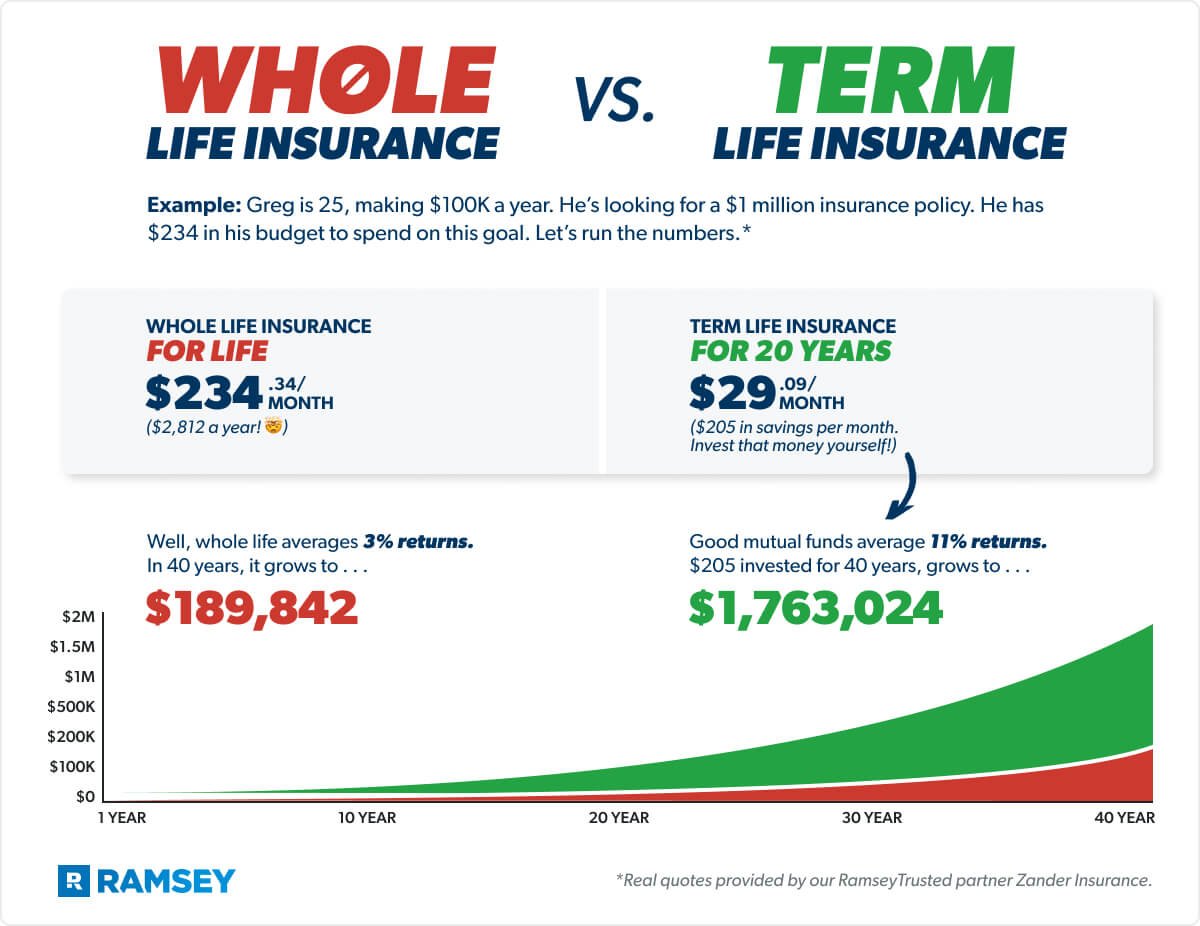
One of the main features of whole life insurance is its cash value. This is a savings component that gradually builds over time according to the policy’s terms. Many people choose whole life insurance because it offers both a death benefit for beneficiaries and an opportunity to accumulate cash value.
However, understanding how cash value grows can be confusing for first-time buyers. In this guide, we explain how cash value works, what affects its growth, and how policyholders may access the accumulated amount.
What Is Cash Value in a Whole Life Insurance Policy?
Cash value is the savings component of a permanent life insurance policy. A portion of the premiums you pay contributes to this value, while other portions cover insurance costs, administrative expenses, and other policy charges.
As time passes, the cash value can increase according to the policy’s guaranteed growth provisions and, where applicable, dividends.
For example, if you purchase a whole life insurance policy and continue making the required premium payments, your cash value may gradually accumulate over several years.
Unlike the death benefit, which is generally paid to beneficiaries after the insured person’s death, cash value may be accessible to the policyholder during their lifetime through policy loans or withdrawals, subject to the contract’s conditions.
1. Regular Premium Payments Build Cash Value
One of the main ways cash value grows is through regular premium payments.
When you pay your whole life insurance premium, the insurance company distributes the payment toward different policy expenses and benefits. A portion contributes to building the cash value.
During the early years, cash value growth may be relatively slow because insurance costs and policy expenses account for part of the premiums.
As the policy continues, the accumulated cash value may increase according to the guaranteed schedule provided in the contract.
Making payments on time is important because missed premiums can affect your policy’s status and benefits.
2. Guaranteed Cash Value Growth
Traditional whole life insurance policies generally include guaranteed cash value provisions.
This means the policy contract specifies how the cash value is expected to develop over time, provided the policy remains in force and contractual requirements are met.
The guaranteed growth schedule allows policyholders to understand the minimum cash value established by the policy terms.
For example, your policy documents may show projected guaranteed cash values at the end of years 5, 10, 20, and 30.
These figures can help you understand how the policy may build value over the long term.
It is important to distinguish guaranteed values from non-guaranteed projections because dividends and other potential benefits are not always guaranteed.
3. Dividends May Increase Cash Value
Some whole life insurance policies are participating policies, which means eligible policyholders may receive dividends when the insurance company declares them.
These dividends are generally based on the insurer’s financial performance, investment results, expenses, and claims experience.
Policyholders may have several options for using dividends, depending on their contracts.
Common options include:
- Receiving dividends as cash.
- Applying dividends toward future premiums.
- Leaving dividends with the insurer to accumulate interest.
- Purchasing paid-up additional insurance.
Choosing paid-up additional insurance can increase the policy’s death benefit and cash value over time.
However, dividends are generally not guaranteed. Their availability and amount depend on the insurance company’s performance and dividend decisions.
4. Cash Value Can Grow Over Time
Whole life insurance is generally designed for long-term financial planning. Cash value accumulation usually becomes more noticeable as the policy continues over many years.
During the first few years, the cash value may be lower than the total premiums paid because of insurance costs and other expenses.
Over time, guaranteed accumulation and any applicable dividends may increase the policy’s cash value.
This is why whole life insurance is usually not considered a short-term savings solution. Policyholders generally benefit from keeping the policy active for an extended period.
Before choosing a permanent insurance policy, it is useful to compare its costs with other insurance options. You can use our Life Insurance Premium Calculator to explore estimated premium costs and understand how different coverage amounts may affect your budget.
5. Interest and Insurance Company Performance
The growth of whole life insurance cash value depends on the specific policy structure.
Traditional whole life insurance generally provides contractual guarantees, while participating policies may also offer dividends.
The insurance company manages its investments and financial obligations to support the guarantees and benefits offered under its policies.
A financially strong insurer may be better positioned to meet its long-term contractual obligations.
However, policyholders should not assume that all cash value growth is based on a fixed investment return. Always review the guaranteed and non-guaranteed values shown in the official policy illustration.
6. Policy Loans Allow Access to Cash Value
One benefit of whole life insurance is that eligible policyholders may borrow against their accumulated cash value.
A policy loan allows you to access money without necessarily cancelling your insurance coverage.
For example, you may use a policy loan to handle unexpected expenses, education costs, or other financial needs.
However, loans generally accumulate interest. Any unpaid loan balance can reduce the death benefit paid to beneficiaries.
If the outstanding loan and interest become too large, the policy may lapse, potentially creating additional financial and tax consequences.
Before borrowing, review the loan interest rate, repayment conditions, and impact on your policy.
7. Withdrawals Can Reduce Your Cash Value
Some whole life insurance policies allow partial withdrawals from the accumulated cash value.
This can provide access to funds without taking a traditional policy loan. However, withdrawals may reduce the policy’s cash value and, depending on the contract, its death benefit.
They may also have tax implications if the amount withdrawn exceeds the policy’s tax basis or other applicable thresholds.
For this reason, policyholders should understand the financial consequences before making withdrawals.
Contact your insurance provider or a qualified financial professional to understand the specific conditions of your policy.
8. Factors That Affect Cash Value Growth
Several factors influence how quickly cash value accumulates in a whole life insurance policy.
Premium Amount: The amount and structure of your premiums influence how much value may accumulate over time.
Policy Duration: Keeping a policy active for a longer period generally provides more time for cash value accumulation.
Policy Expenses: Insurance charges and administrative expenses affect how much of your premium contributes to cash value.
Dividends: Participating policies may receive dividends that can increase cash value when used to purchase paid-up additions or accumulate under the policy.
Policy Loans and Withdrawals: Taking money from the policy can reduce its available cash value and potentially affect future benefits.
Understanding these factors can help you make better decisions when choosing and maintaining whole life insurance.
How to Estimate Your Life Insurance Premium
Before purchasing a whole life insurance policy, it is important to understand whether its premiums fit your financial situation.
An online calculator can help you explore estimated insurance costs based on details such as age, coverage amount, and other relevant information.
Use our Life Insurance Premium Calculator to estimate potential premium costs and compare different coverage options.
You should also request a whole life insurance illustration from an insurance provider. It can show guaranteed cash values, projected dividends where applicable, and estimated policy benefits over time.
Remember that a premium calculator provides estimates and does not calculate guaranteed cash value unless specifically designed to do so.
Conclusion
Cash value in a whole life insurance policy grows through premium contributions, guaranteed accumulation, and potentially dividends from participating policies.
Although cash value may grow slowly during the early years, keeping the policy active over the long term can help build additional financial value. Policyholders may also access eligible cash value through loans or withdrawals, although these options can reduce policy benefits and create additional costs.
Before purchasing whole life insurance, review the policy’s guaranteed values, premium requirements, expenses, and potential benefits.
You can start by using our Life Insurance Premium Calculator to explore estimated insurance costs and determine whether the coverage fits your financial plans.


